When it comes to running a successful business, understanding the concept of “business assets” is essential. Business assets are the resources owned by a company that hold value and contribute to its operations, profitability, and overall financial health. In this blog post, we will explore what business assets are, their different types, and why they are crucial for the success of any organization.
Defining Business Assets:
Simply put, a business asset is anything that a company owns that has a monetary value and can be utilized to generate income or provide a strategic advantage. Assets can take various forms, including physical items, intangible assets, or even contractual rights. They represent the economic resources that a company has at its disposal, contributing to its overall value.
Types of Business Assets:
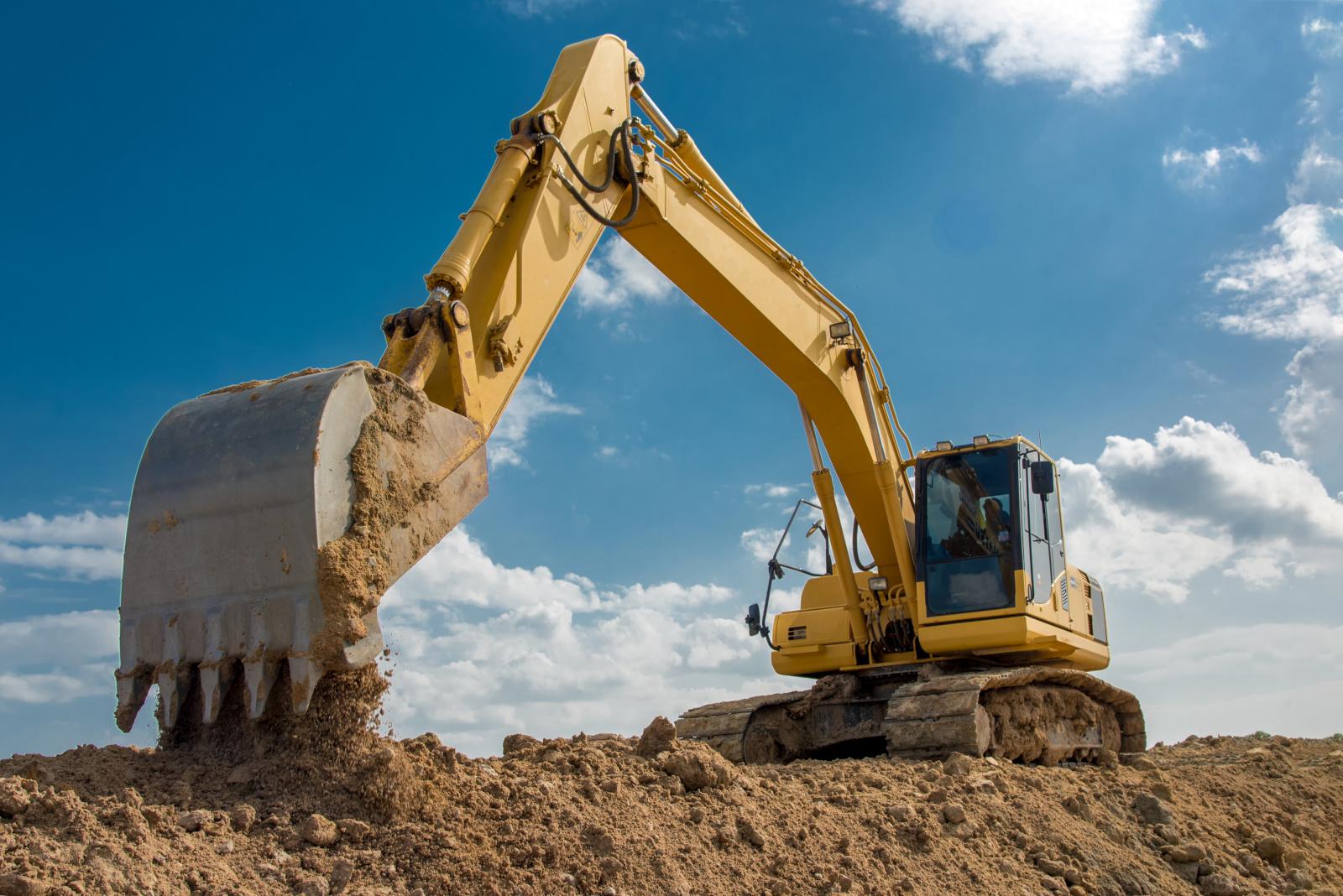
- Tangible Assets: These are physical assets that can be seen and touched. Examples include real estate, machinery, vehicles, inventory, and office equipment. Tangible assets are typically used in the daily operations of a business and can be instrumental in generating revenue.
- Intangible Assets: Unlike tangible assets, intangible assets lack physical presence but hold significant value. Examples include patents, trademarks, copyrights, brand reputation, proprietary technology, customer databases, and intellectual property. Intangible assets often provide a competitive advantage and are crucial in distinguishing a business from its competitors.
- Financial Assets: These assets represent investments made by a business, such as stocks, bonds, mutual funds, and cash equivalents. Financial assets provide liquidity and flexibility for a company, allowing it to access funds when needed or invest in new opportunities.
Importance of Business Assets:
Understanding and managing business assets is vital for several reasons:
- Financing: Assets are instrumental in securing loans or credit lines from financial institutions. Lenders often require collateral in the form of business assets to mitigate their risk and ensure repayment.
- Business Growth: Assets, particularly tangible assets, can be used to expand operations, increase production capacity, and support growth initiatives. Intangible assets, such as a strong brand reputation, can attract new customers and create growth opportunities as well.
- Valuation and Financial Reporting: Business assets play a crucial role in determining a company’s overall value and financial health. They are essential in financial statements, including the balance sheet, where assets are recorded and valued. Accurate asset valuation is also crucial for decision-making, business planning, and attracting investors.
- Competitive Advantage: Intangible assets, such as patents, trademarks, and customer databases, can give a business a distinct competitive edge. These assets contribute to brand recognition, customer loyalty, and market differentiation.
Business assets form the foundation of any company’s financial success. Understanding the different types of assets and their contribution to the business is essential for effective financial management, decision-making, and growth. Whether tangible or intangible, assets are the resources that businesses rely on to generate revenue, attract investors, and stay ahead of the competition. By recognizing the value of their assets and managing them strategically, organizations can pave the way for sustained success and profitability in today’s dynamic business environment.
Want to put those assets to work? Dean & Hutton Finance arranges asset finance for businesses for people and businesses across Orange and the Central West, comparing over 40 lenders on your behalf.